 PSI Prolew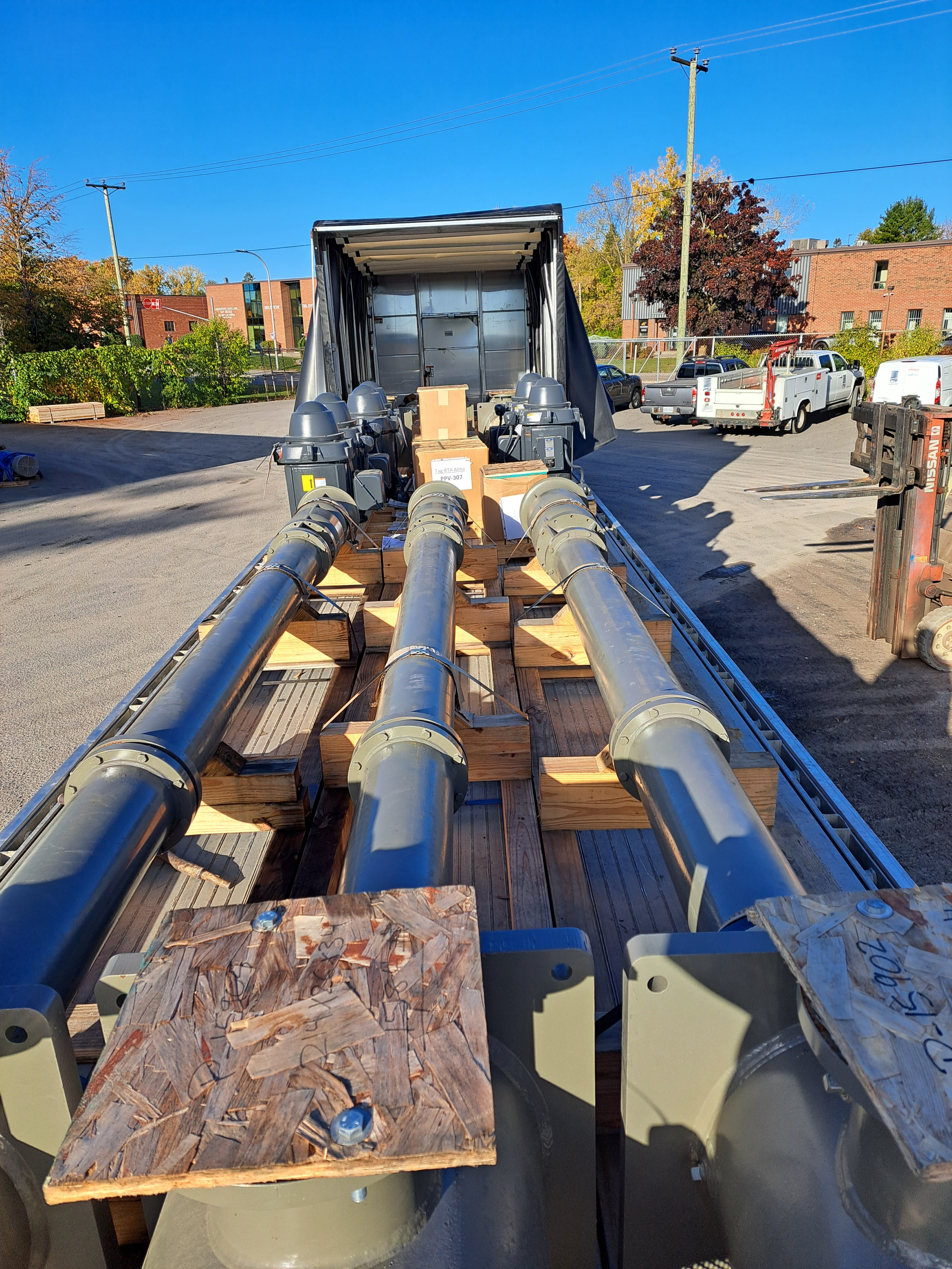
Great Project - 12 Flowserve VTP
A great project leaves our workshop!
12 Flowserve VTP vertical turbine pumps on their way to our customer's site!

A great project leaves our workshop!
12 Flowserve VTP vertical turbine pumps on their way to our customer's site!
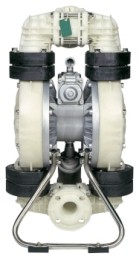
Our customer, a chemical plant, uses in one department, 7 air operated double diaphragm pumps (AODD). On that application, pumps from a known competitor, had a useful service life of 4 to 6 weeks between rebuilds. The plant spent over $ 100,000 a year, in parts and labor, on those 7 pumps.
We evaluated the application, and recommended the same type of pumps (AODD), by Yamada. Once the original trial pump got beyond 3 months without failure, customer decided to gradually replace all 7 units by Yamada pumps. Some have now been in service for over 10 months, and are still running.
The purchase of 7 pumps on a project budget, for much less than the money spent in repairs each year, resulted in nearly $ 100,000. savings on the annual maintenance budget.
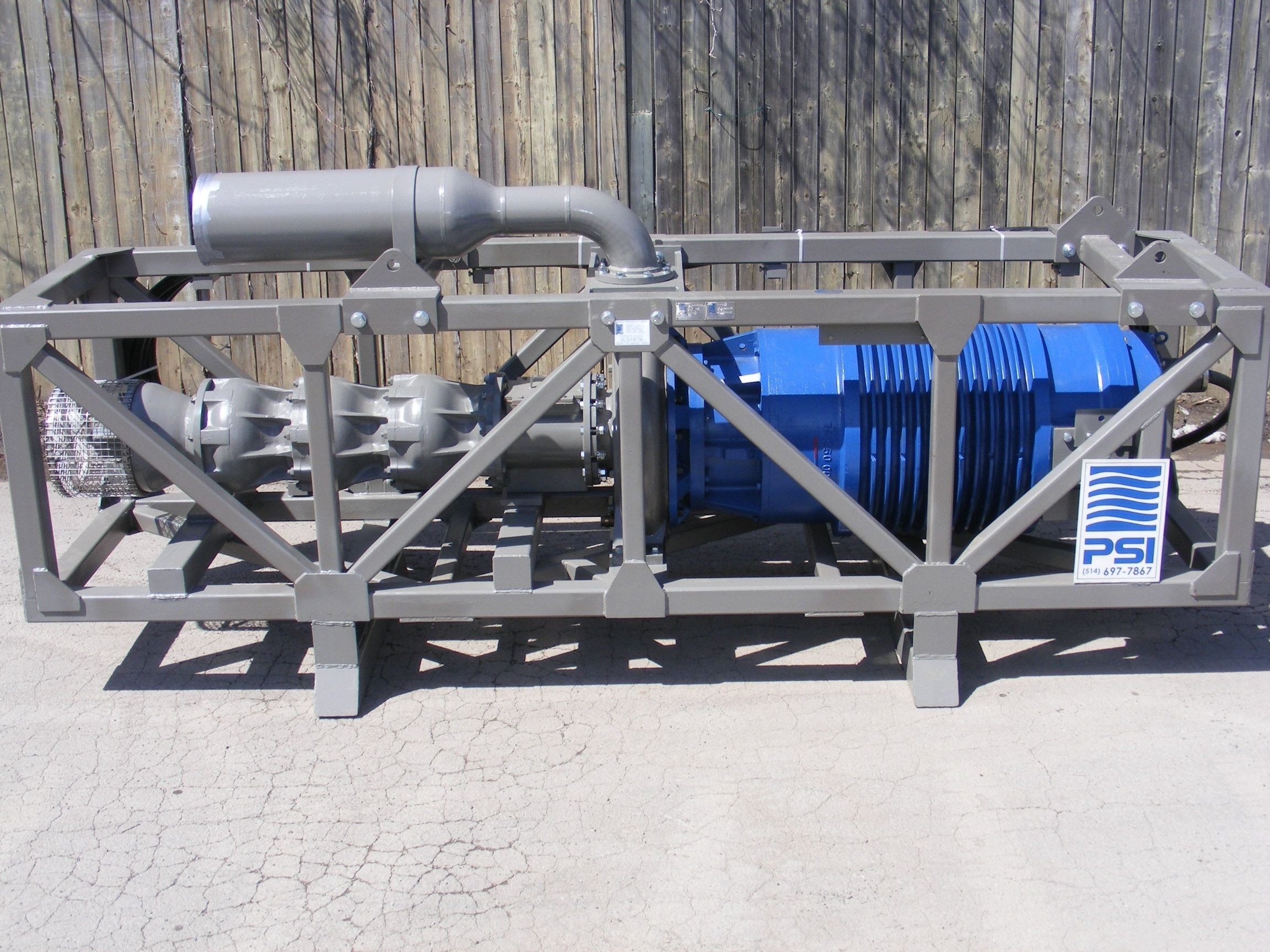
Our customer, an iron mine on the North Shore, needed large capacity submersible dewatering pumps running on 4160 volts and that in a period not exceeding 12 weeks.
We have adapted two types of pumps to 300 and 400 HP motors to meet the conditions of service required and were able to deliver the pumps one week in advance!
Conclusion: Our customer was able to dry spring flooding much sooner and thus begin production earlier.
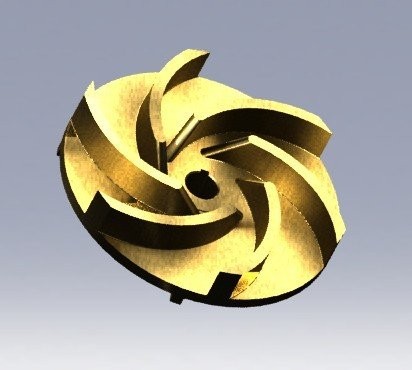
Customer’s installation site could not accept larger pumps. Furthermore, the pumps were at their maximum design speed, so we had to find another solution.
We have designed a special impeller, which combined with a minor modification of the volute, resulted in a 50% increase in the pump BEP (Best Efficiency Point). This allowed meeting the increased flow requirement, and it was done with an improved hydraulic efficiency as a bonus.
Conclusion: Only the motors had to be changed. The final project cost was less than one quarter that of replacing the pumps.
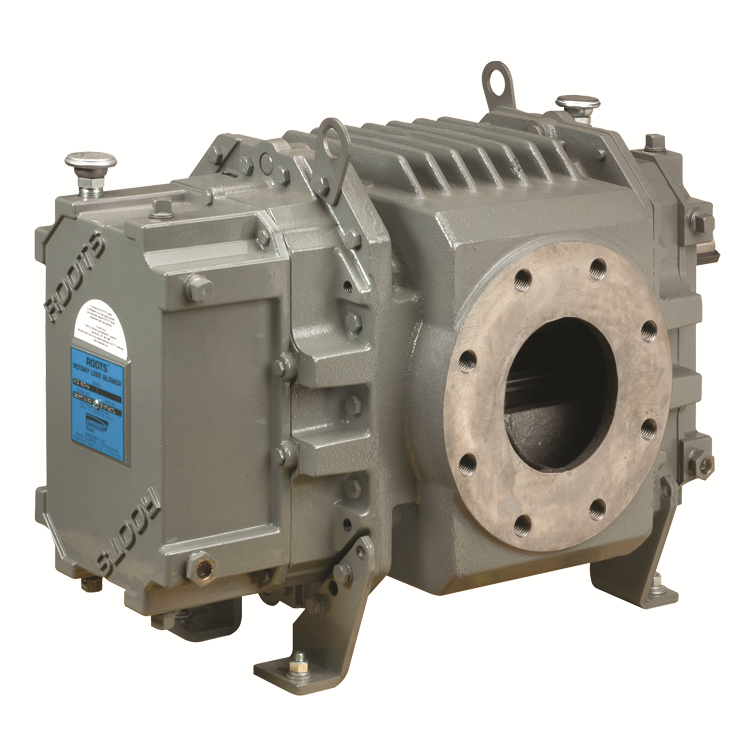
After studying the system we came to the conclusion that the oil was getting too hot and lost its viscosity. This resulted in the need for oil changes at intervals of once per week or face catastrophic failure of the system.
We designed a lubrication console for the circulation, filtration and cooling of the oil and have made changes to the Roots blower for oil injection.
Conclusion: These changes have led to a controlled oil temperature requiring only a single oil change per year. This contributed to the client's goal of a more environment friendly operation.